TL;DR
A CCTV drain survey pushes a waterproof camera through your drainage system and records high-definition footage of exactly what's happening below ground — blockages, cracked or displaced pipe joints, tree-root intrusion, and pipework that has quietly deteriorated with age. It's the most reliable way to diagnose a recurring drainage problem, and the clearest way to find out what you're inheriting before buying a property in Billericay. If you want an evidenced picture of your drains before committing to any work, request a fast, fixed-price quote online for a survey.
What the Camera Actually Shows You
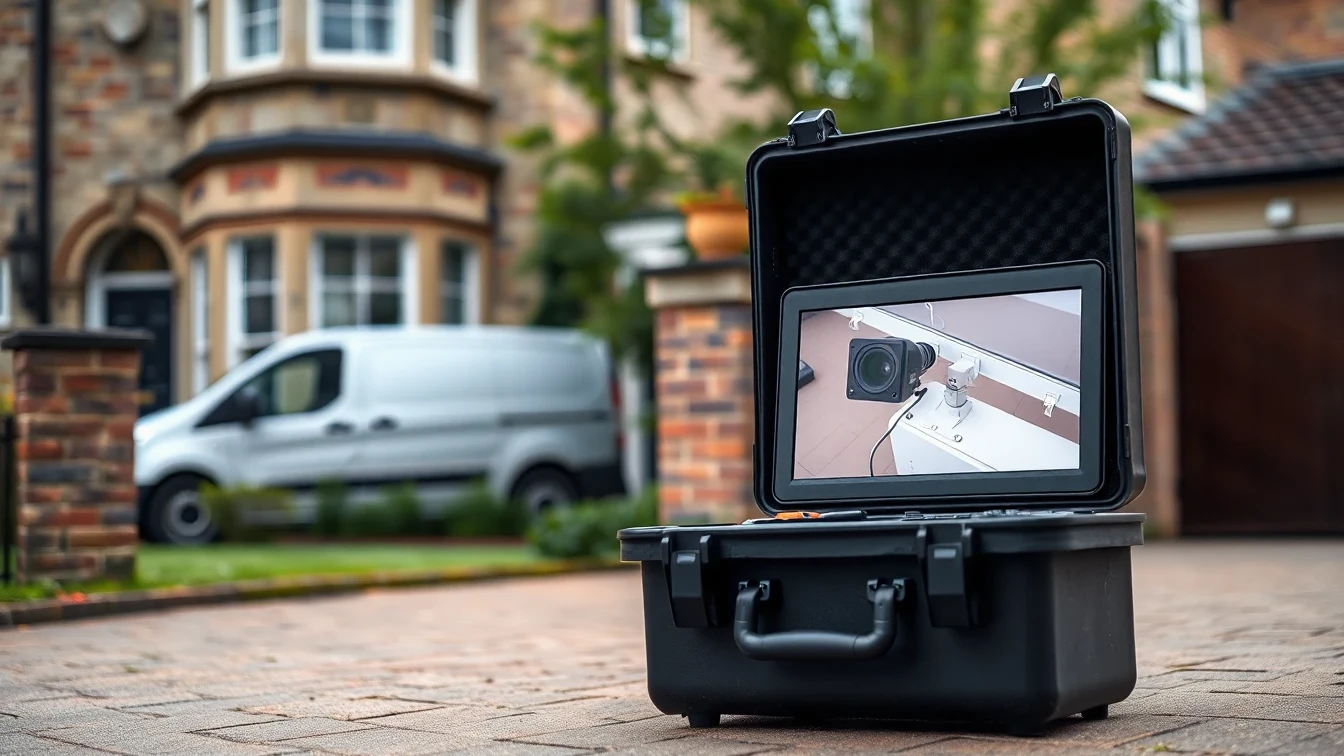
A CCTV drain survey uses a self-propelled or push-rod camera unit, fed through an inspection chamber, gully, or soil pipe, that travels the full length of your drainage run. The footage is recorded in real time, giving the engineer — and you — a first-hand look inside a pipe that would otherwise mean digging up a garden or driveway to inspect. Rather than guessing at what's wrong from surface symptoms alone, you get direct visual evidence: the exact location, type, and severity of any defect, measured against a known reference point such as a manhole or the property boundary.
This matters because drainage problems rarely announce themselves clearly. A slow-draining sink, a damp patch on an internal wall, or a section of garden that never quite dries out can all trace back to the same underground fault, and a camera is the fastest way to confirm which one you're actually dealing with.
Why Billericay Drainage Varies So Much Street to Street
Billericay is a historic market town rather than a New Town development, and its drainage reflects that. There's a centuries-old core around the High Street, a long wave of commuter growth that followed the arrival of the railway in the late 1880s, substantial interwar and post-war estate building, and plenty of later twentieth-century and modern development spreading out towards South Green, Great Burstead and the edges of Norsey Wood.
The practical result is that two houses a few streets apart can have completely different drainage underneath them. Older parts of the town tend to have jointed glazed clay pipe, which is durable but moves with the ground and opens up at the joints. Post-war properties often have pitch-fibre, a mid-century material used widely from the 1950s to the 1970s — including across the wider Basildon borough's New Town estates — which blisters and deforms internally as it ages. Newer builds have plastic, which is more forgiving but still fails where the ground beneath it settles unevenly. A survey tells you which of those you actually have, instead of assuming.
Billericay's mature tree cover is the other local factor. On streets with established gardens, and anywhere close to older woodland such as Norsey Wood, root ingress is one of the most common findings on a survey — roots need only a hairline gap at a joint to get in and start growing.
Common Problems a Survey Uncovers
- Tree root ingress — roots seek out the moisture inside a drain and can force their way through even a hairline crack in a joint, gradually filling the pipe and causing repeat blockages.
- Displaced or open joints — ground movement in the clay that underlies much of south Essex can shift sections of pipe apart over the decades, letting soil and roots into the system.
- Pitch-fibre delamination — pitch-fibre pipe is now reaching the end of its serviceable life wherever it was laid, and the material can blister, deform, or collapse internally as it ages.
- Incorrect or cross-connections — older extensions and outbuildings sometimes connect surface water or waste pipes into the wrong part of the system, which a camera can confirm without any excavation.
- Full or partial collapse — the most serious finding, usually presenting as a total blockage or sudden subsidence above the pipe run.
How Defects Are Graded
Findings from a survey aren't just a subjective description. Reputable drainage engineers grade structural and service defects against the WRc's MSCC5 (Manual of Sewer Condition Classification) standard — the industry-recognised framework used across the UK water and drainage sector to score everything from minor deposits to a structural collapse. Grading defects this way means you get a report that's consistent, comparable, and usable by a solicitor, insurer, or another contractor if you ever need a second opinion.
When You Actually Need One
A CCTV survey is worth booking whenever you're dealing with:
- Blockages that keep coming back in the same spot despite clearing
- Damp patches, subsidence, or an unexplained soft area in the garden
- A bad smell that persists even after a drain has already been cleared
- A property purchase in Billericay or anywhere across the borough, where you want to know the drainage's condition before you're committed
- Renovation or extension work that will tie into the existing drainage system
For a property purchase specifically, a survey carried out through our CCTV drain surveys service gives you documented evidence of the drain's condition before exchange, which can be used to negotiate a price or simply to budget accurately for what's ahead. We cover CCTV drainage surveys in Billericay as part of our wider coverage across the borough.
What Happens During the Survey
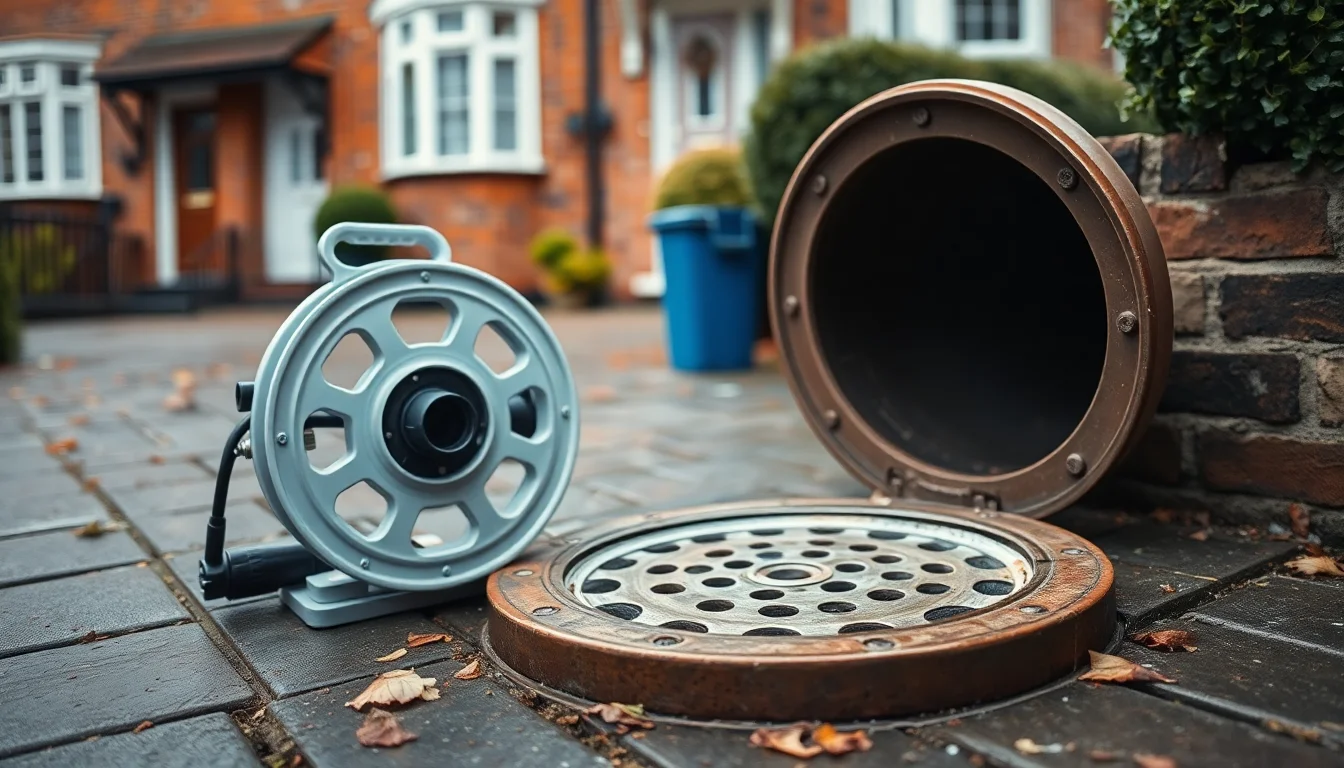
On site, the engineer locates the accessible entry points — usually an external manhole, inspection chamber, or gully — and feeds the camera through the run while recording. How long that takes depends on the size of the system and how easy the chambers are to reach: a straightforward domestic run is usually a short visit rather than a day's work, while larger or more complex networks, or a case that needs a full drainage investigation to trace an intermittent fault, take longer. You'll get a written report alongside the footage itself, so you can see exactly what was found rather than taking someone's word for it.
FAQ
What can a CCTV drain survey actually reveal?
Blockages, root intrusion, cracked or displaced pipe, pitch-fibre deterioration, incorrect connections, and structural collapse — all located precisely along the pipe run and graded against the WRc's MSCC5 standard.
What is a CCTV drain survey?
It's a camera inspection of your drainage system, carried out without digging, that records footage of the inside of the pipe so an engineer can diagnose exactly what's wrong and where.
How long does a CCTV drain survey take?
It depends on how large the system is and how accessible the chambers are. A straightforward domestic survey is usually a fairly short visit; a larger property, or one needing a targeted drainage investigation to trace an intermittent fault, takes longer.
Get a Clear Picture of Your Drains
If you're dealing with a recurring drainage problem in Billericay or buying a property anywhere in the Basildon borough, don't guess at what's underground. Request a fast, fixed-price quote online for a CCTV drain survey, or read more about how a pre-purchase survey works in our guide to why every home buyer needs a CCTV drain survey before you exchange.