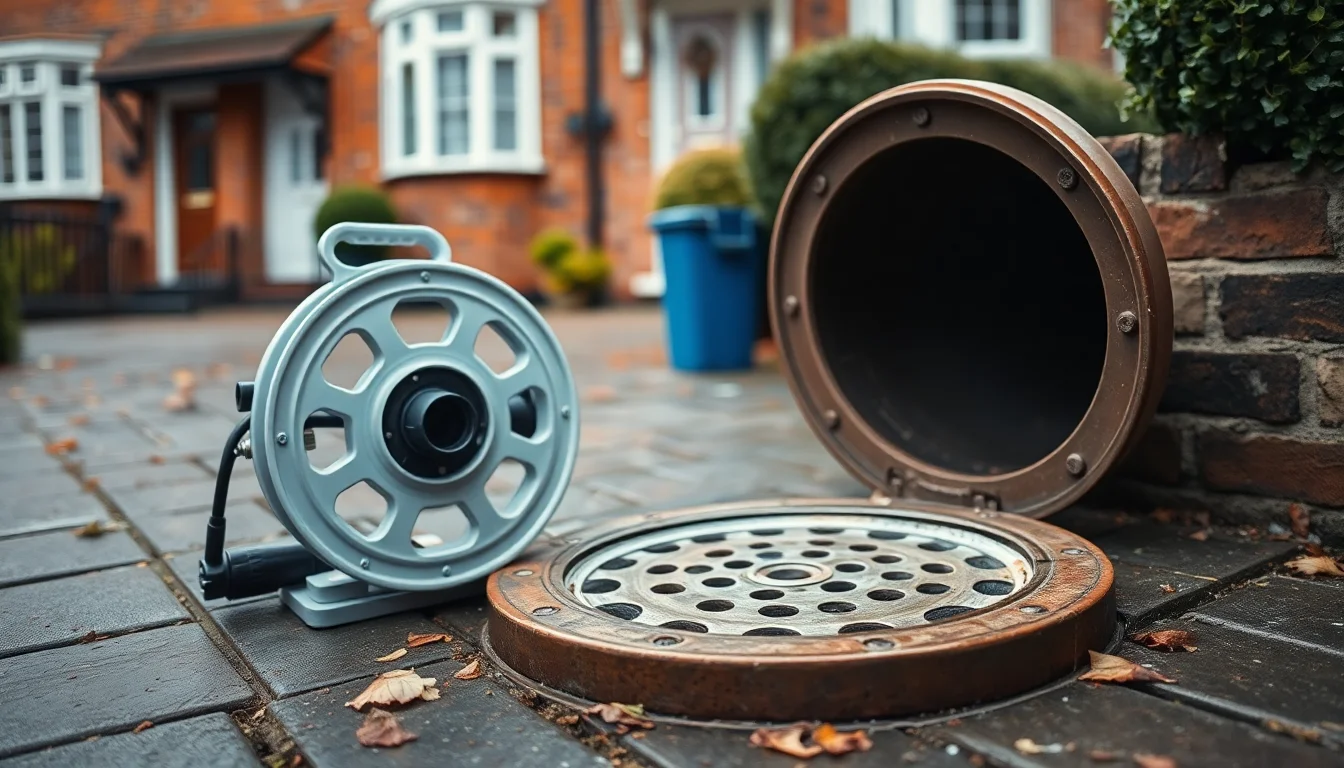

Basildon was designated a new town in 1949, and the bulk of its housing stock — across estates from Vange and Lee Chapel to Laindon and Langdon Hills — was built during the expansion that followed through the 1950s, 60s and 70s. One material used widely in that period's drainage was pitch fibre pipe, and it's a detail that catches many buyers out because there's no way to tell it's there just by looking at a property.
What Is Pitch Fibre Pipe?
Pitch fibre drainage pipe is made from layers of wood cellulose fibre bonded together with coal-tar pitch. It was cheap, lightweight, and easy to install compared with the clay pipe it often replaced, which made it a popular choice for the mass house-building programmes of the mid-20th century — new towns like Basildon were built at exactly the scale where that mattered.
The problem is durability. Pitch fibre has a typical service life measured in decades rather than the 50-plus years expected of modern plastic or well-laid clay, and a large proportion of it was installed in Basildon between the 1950s and 1970s. Simple arithmetic means much of it is now at, or well past, the point where problems become likely.
How Pitch Fibre Drains Fail
Pitch fibre doesn't tend to crack cleanly the way clay or concrete does. Instead, it fails in ways that are easy to miss from the surface:
- **Delamination** — the bonded fibre layers separate, weakening the pipe wall from the inside out
- **Blistering** — internal blisters form and can eventually rupture, partially blocking the pipe
- **Deformation** — without clay or concrete's rigidity, pitch fibre pipe can gradually lose its circular shape under the weight of surrounding soil, restricting flow long before it fully blocks
- **Root ingress** — as the material weakens, root penetration becomes easier at joints and along weakened sections
None of this shows up in a standard homebuyers report or building survey, because drainage inspection isn't part of their scope. A property can look structurally sound above ground while the drainage beneath it is quietly failing.
Why This Matters for Basildon Buyers Specifically
If you're buying a property built during Basildon's new town expansion — whether a 1960s semi in Lee Chapel, a Laindon terrace, or a hillside property in Langdon Hills — there's a reasonable chance the original drainage has never been replaced. Buyers of Victorian or Edwardian properties elsewhere are used to budgeting for old clay pipework; Basildon's equivalent risk is often pitch fibre from the new town years, and it's less widely understood.
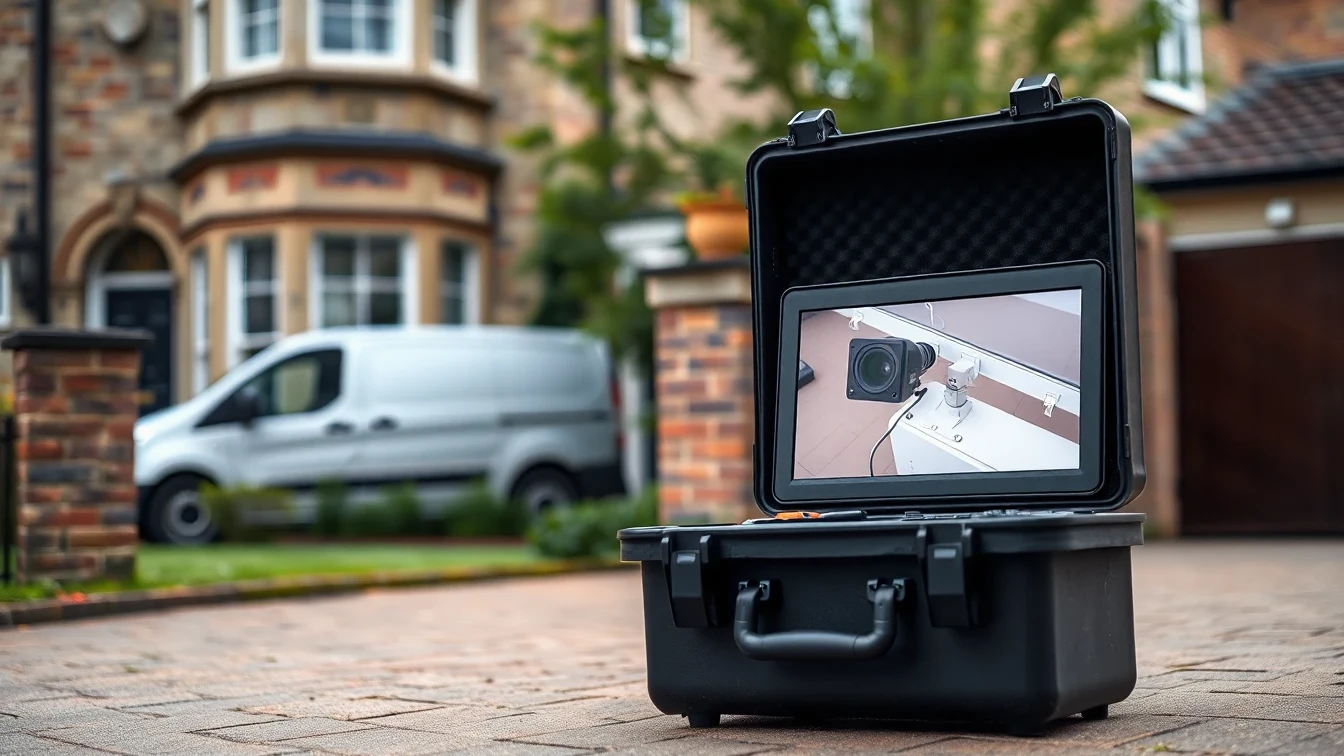
The only way to know for certain what drainage a specific property has, and what condition it's in, is a pre-purchase CCTV drain survey Basildon buyers can commission before exchange. The camera goes exactly where the eye can't, recording footage of every accessible pipe run and grading any defects found against the WRc Manual of Sewer Condition Classification (MSCC5) — the industry-standard system used across the UK drainage sector — so you get an objective picture rather than a guess.
What Happens If a Survey Finds Pitch Fibre Damage
Finding degraded pitch fibre pipe before you exchange contracts puts you in a strong position. Depending on the extent and location of the damage, options typically include:
- Negotiating a price reduction to account for the cost of remedial work
- Requesting the seller arrange repairs as a condition of sale
- Budgeting for no-dig pipe relining after completion, which resurfaces the inside of the pipe with a new structural lining without excavating the garden or driveway
- In more severe cases, planning for a full section replacement
Finding out after completion leaves you with none of that leverage — just the bill.
Getting a Survey Before You Exchange
If you're buying a property built during Basildon's new town years, book a pre-purchase drain survey after your offer is accepted but before contracts are exchanged. That gives you time to act on whatever the report finds. Request a fast fixed-price quote online for a survey, or read more about our pre-purchase CCTV drain survey service.