TL;DR
Blocked drains are a recurring problem across Basildon because much of the borough's housing — in Pitsea, Laindon, Vange, Fryerns, and the surrounding New Town estates — was built during the 1950s-70s expansion on London clay, using pipework that's now reaching the end of its working life. Fat, wipes, and tree roots are the everyday triggers, but ground movement in the clay subsoil is often what turns a minor blockage into a recurring one. If your drain keeps blocking, request a fast, fixed-price quote online and we'll clear it and identify the underlying cause.
What's Really Behind Basildon's Recurring Blockages
Basildon was designated a New Town in 1949 under the New Towns Act 1946, and most of its housing stock dates from the building boom that followed through the 1950s, 60s, and into the 70s — across Pitsea, Laindon, Vange, Fryerns, Langdon Hills, and Noak Bridge alike. That means a large proportion of the borough's drainage is now well over fifty years old, installed to the standards and materials available at the time.
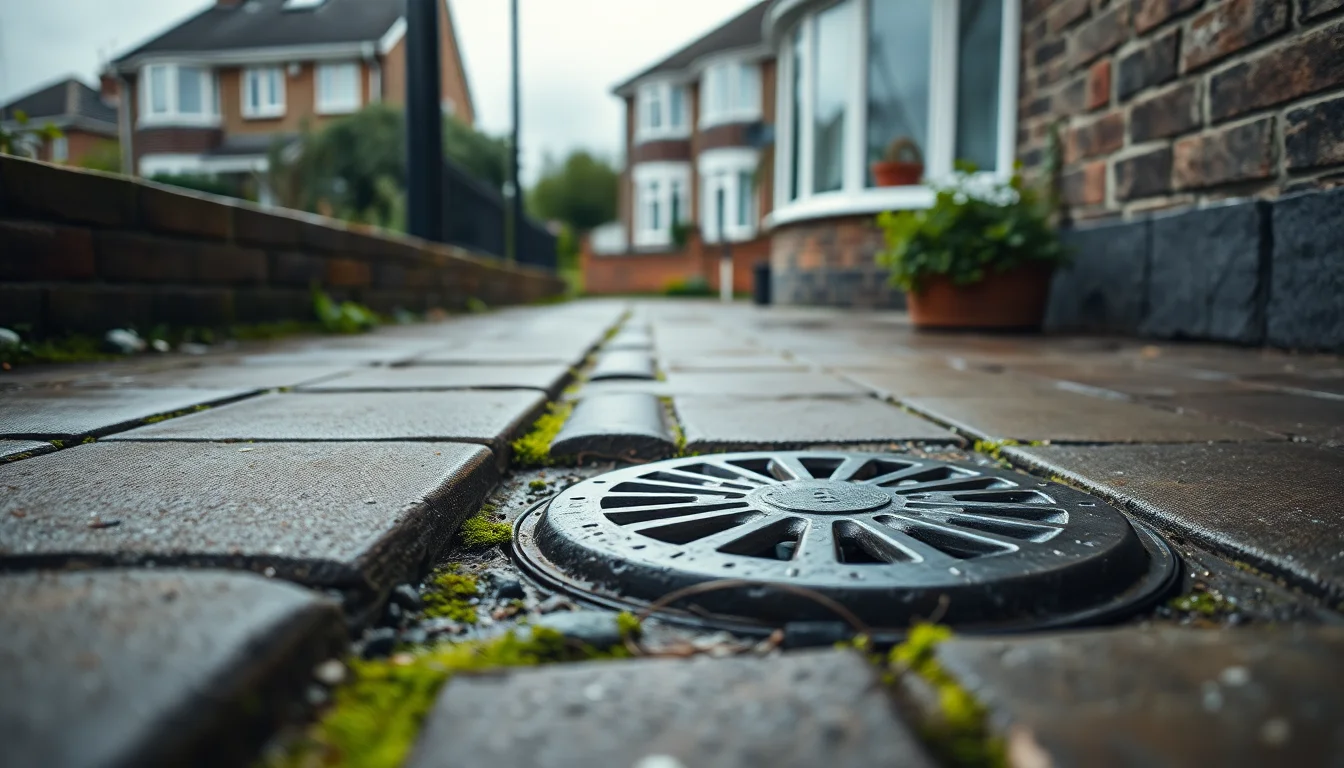
The borough sits on London clay, which shrinks and swells with moisture levels through the year. That movement gradually shifts pipe joints out of alignment, opening small gaps that let tree roots and soil into the system, or creating a slight dip in the pipe where waste and debris settle instead of flowing through. Neither problem shows up until a blockage forces the issue.
The Usual Suspects
Most call-outs trace back to one of a handful of everyday causes:
- Fat and food waste poured down the sink solidifies as it cools, gradually narrowing the pipe until it blocks completely
- Wipes, cotton buds, and sanitary products flushed rather than binned, regardless of "flushable" labelling
- Tree roots, which are especially persistent on established residential streets where mature trees and shrubs have had decades to grow into proximity with drainage runs
- Structural faults in older pipework — displaced joints, minor collapses, or a section that's settled — which turn a passing blockage into a repeat one
Why Basildon's Housing Stock Makes This Worse
New Town developments were built quickly and to a consistent design across large estates, which means whole streets in areas like Laindon and Vange often share the same generation of pipework, and the same weaknesses. Many properties from this era also used pitch-fibre drainage pipe, a material common in mid-century construction that's known to deteriorate, blister, and deform internally over the decades — a fault a plunger or shop-bought drain cleaner will never fix, because the problem is the pipe itself rather than what's inside it.
If a blockage in a Pitsea, Fryerns, or Langdon Hills property keeps returning despite being cleared, it's worth finding out whether you're dealing with debris or a genuine structural issue underneath it. Newer estates towards Noak Bridge and the edges of Langdon Hills tend to have younger pipework and fewer structural surprises, but they're not immune — tree roots and fat-driven blockages happen regardless of when a street was built, and even modern plastic pipework can develop displaced joints if the ground beneath it settles unevenly.
How We Clear a Blocked Drain
The right method depends on what's actually causing the blockage:
- Drain rodding is a fast, effective option for a straightforward blockage close to an access point, using flexible rods to break through and push the obstruction clear.
- High-pressure drain jetting uses a controlled water jet to cut through fat, scale, and root growth and flush the debris along the entire length of the run, rather than just clearing a path through it. It's usually the better option for recurring or stubborn blockages, and for clearing tree roots properly rather than temporarily.
Where a blockage keeps coming back, a CCTV check afterwards confirms whether the pipe is genuinely clear or whether there's a structural fault worth addressing properly. Our blocked drains team covers blocked drain clearance across Basildon, with drain unblocking for toilets, sinks, baths, and external drains, and drain jetting where a more thorough clear is needed.
Preventing Blockages Long-Term
A few habits make a genuine difference to how often a Basildon home needs a drain cleared:
- Scrape fat and food waste into the bin instead of rinsing it down the sink
- Fit a sink strainer to catch food debris before it reaches the pipe
- Bin wipes and sanitary products, even ones marketed as flushable
- If blockages keep recurring in the same spot, get the drain surveyed rather than clearing it again and again — in a property with older pitch-fibre or clay pipework, that repeat pattern is usually telling you something
We covered practical kitchen-specific prevention steps in our earlier guide on preventing blocked drains in the kitchen, which is worth a read if the kitchen sink is your recurring trouble spot.
FAQ
What causes blocked drains in Basildon specifically?
A combination of everyday causes — fat, wipes, and tree roots — and the borough's older pipework and clay subsoil, which together make blockages more likely to recur once they've started.
How can I prevent my drains from blocking again?
Keep fat and wipes out of the system entirely, and if a blockage keeps returning in the same place, get the drain checked rather than repeatedly clearing the same recurring fault.
Get to the Root of the Problem
If your drains keep blocking in Pitsea, Laindon, Vange, Fryerns, or anywhere else in the Basildon borough, don't just keep clearing the symptom. Request a fast, fixed-price quote online and we'll clear the blockage and tell you honestly whether it's a one-off or something worth investigating further.