TL;DR
In most cases, a blocked drain that serves only your property and sits inside your boundary is your responsibility to clear. A blockage in the pipe running from your boundary to the public sewer (the lateral drain) or in the shared sewer main itself is the responsibility of Anglian Water. If you're not sure where a blockage sits, you can check Anglian Water's public sewer records or arrange a CCTV drain survey to establish exactly where the problem is — get in touch online for advice on the next steps.
Background: why this changed in 2011
Before 2011, many homeowners in Basildon and across Essex were responsible for the pipework carrying waste from their homes all the way to the public sewer, even where that pipe ran beneath the pavement or a neighbour's garden. Under the Water Industry (Schemes for Adoption of Private Sewers) Regulations 2011 — made under section 105A of the Water Industry Act 1991 — ownership of most private sewers and lateral drains transferred to the regional water and sewerage company on 1 October 2011. The change was made to simplify maintenance and give homeowners a single, clearer point of contact when something goes wrong.
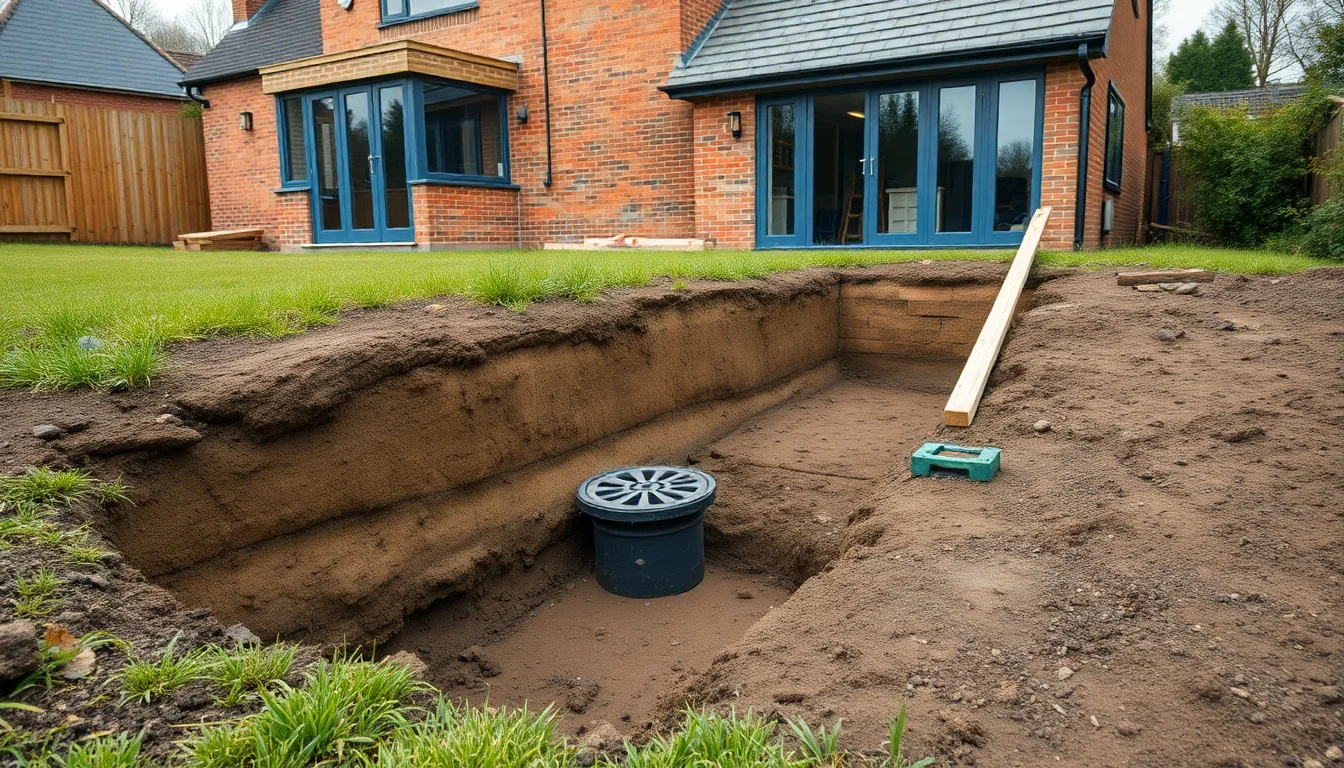
In Basildon, Anglian Water is the relevant authority, and it now owns and maintains the lateral drains and public sewers serving the town's post-war housing estates — including those built on the London clay underlying Pitsea, Laindon, Vange, Fryerns, Langdon Hills and Noak Bridge. If a blockage sits beyond your property boundary — under the pavement or in the road, for instance — Anglian Water is usually the body to contact. If it's wholly within your garden, driveway or inside the house, responsibility stays with the property owner or landlord.
If you're planning building work near a sewer rather than dealing with a blockage, our guide to Anglian Water build-over agreements covers what counts as building "over or near" a sewer and when you need permission first.
Definitions: private drain, lateral drain, public sewer
- **Private drain** — serves a single property and lies entirely within that property's boundary, typically running from the internal plumbing (sinks, toilets, showers) to the point where it meets the lateral drain or public sewer. Because it benefits only one household, the owner or landlord is responsible for keeping it clear.
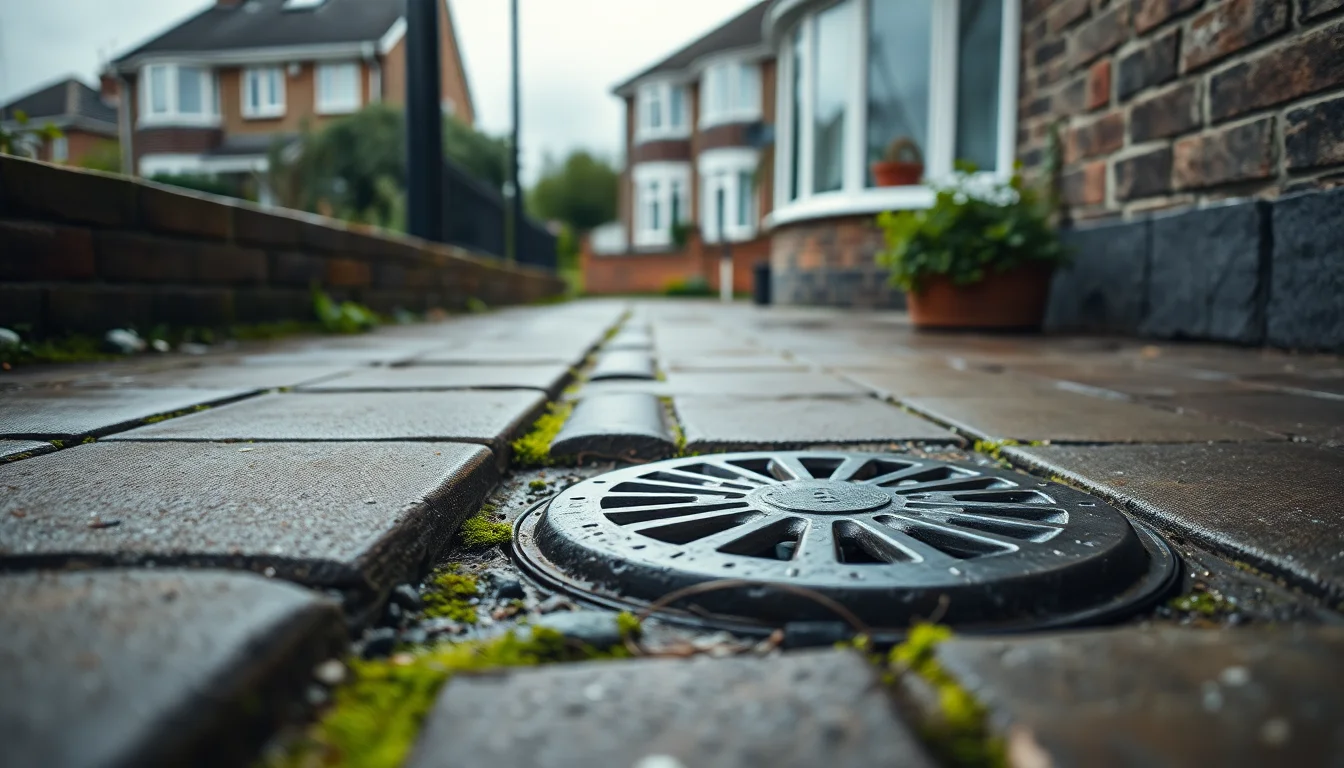
- **Lateral drain** — the section of pipe running from your property boundary to the public sewer. Before 2011 this was usually considered private; the 2011 transfer moved most lateral drains into water company ownership. In Basildon, Anglian Water now maintains these, and they often run under the pavement, verge or a neighbour's garden.
- **Public sewer** — a larger pipe carrying wastewater from multiple properties, owned and operated by Anglian Water, typically running beneath roads or public open spaces. A blockage here affects several households and is the water company's responsibility to resolve.
Working out which of these three zones a blockage sits in determines who you should contact.
Landlord vs tenant: who's responsible in a rented property?
In a rented home in Basildon or Essex, the default position is that the landlord is responsible for the structure and fabric of the building, which includes the drainage system, unless the tenancy agreement says otherwise. If a blockage results from normal wear and tear, ageing pipework or tree root ingress, the landlord should arrange for it to be cleared.
If the blockage is instead caused by the tenant's own actions — flushing wet wipes, sanitary products, or large amounts of fat down the drain, for example — the tenant may be held liable for the cost of clearance. Tenants should check their specific tenancy agreement for any clauses on repair responsibility and report drainage issues to the landlord or letting agent promptly, so the cause can be established before it gets worse. If the blockage turns out to be in a lateral drain or the public sewer, Anglian Water is responsible regardless of who occupies the property.
Who's responsible? A quick reference
| Scenario | Who's usually responsible | What to do | |---|---|---| | Blocked kitchen sink or internal drain | Property owner / landlord | Contact a plumber, or your landlord if you rent | | Blocked drain in the garden near the boundary | Owner/landlord if within the boundary; likely Anglian Water if it's the lateral drain beyond it | Check the pipe's route against your boundary, or request a CCTV survey | | Blocked drain in the road or under the pavement | Anglian Water (public sewer) | Report it to Anglian Water directly; don't attempt to clear it yourself | | Blocked shared drain serving several houses | Anglian Water if classified as a lateral drain or public sewer; otherwise a management company if privately owned | Check ownership via the sewer map or property deeds |
*Responsibility can vary with the exact position of the pipe and any private agreements in place — this table gives the typical position, not a guarantee for every property.*
How to find out for certain
When it isn't obvious whether a pipe is private, lateral or public, a few steps will usually settle it. Anglian Water publishes sewer maps online, searchable by postcode or address, showing whether a pipe is recorded as a public sewer or lateral drain. A CCTV drain survey goes further, tracing the pipe's route and pinpointing exactly where a blockage sits relative to your boundary — useful when the map alone doesn't settle the question. Property deeds or a title plan sometimes reference an easement, and if the problem affects more than one house, talking to neighbours will quickly tell you whether it's isolated or shared.
Once you know where the blockage sits, you'll know who to contact — a plumber or your landlord for a private drain, or Anglian Water for a lateral drain or public sewer. Our blocked drains service covers the private side of that split across Basildon and Essex, and for anything urgent, our emergency drain services team is available around the clock.
Frequently Asked Questions
**Who is responsible for a blocked drain outside my house?** It depends on exactly where "outside" means. If the pipe still only serves your property and sits within your boundary, it's your responsibility. Once it crosses into the lateral drain — the section running from your boundary to the public sewer — it's usually Anglian Water's.
**Who is responsible for blocked drains, tenant or landlord?** The landlord, in most cases, since drainage is part of the building's structure and fabric. The exception is where the tenant's own actions caused the blockage — flushing unsuitable items, for example — in which case the tenant may be liable for the cost of clearing it.
**How can I tell whether a drain is a lateral drain or a public sewer without professional help?** Lateral drains are usually smaller and run directly from your boundary to the nearest sewer, often under a verge or pavement. Public sewers are larger, serve multiple properties, and typically run beneath roads or open spaces. The most reliable way to confirm which applies is to check Anglian Water's sewer map or arrange a CCTV survey.
**What should I do if I think a blockage is Anglian Water's responsibility but they disagree?** Ask for the specific sewer reference or map extract showing how the pipe is classified. If you still disagree, a CCTV survey from an independent drainage contractor can confirm the pipe's route and ownership boundary objectively.